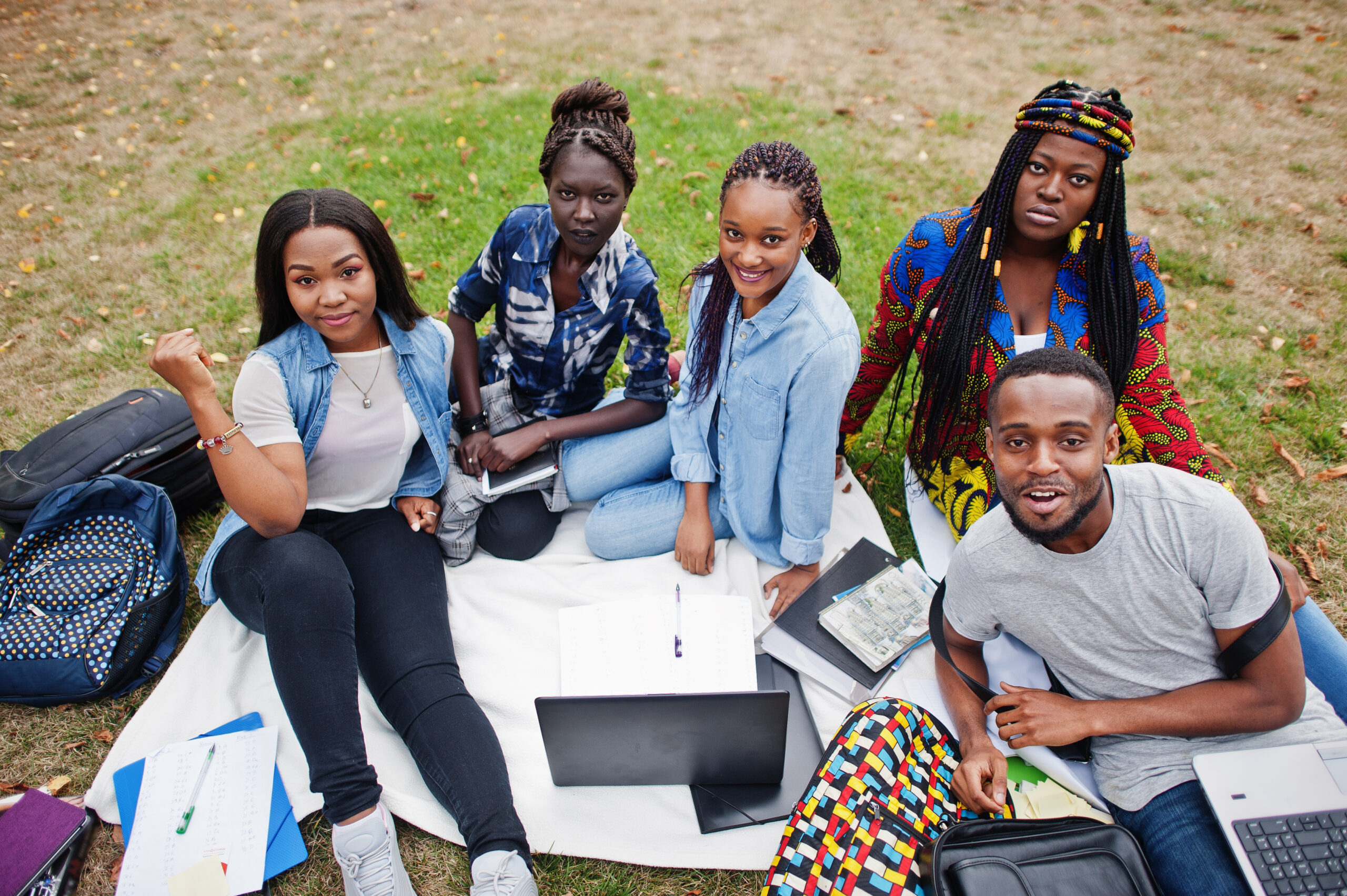
Introduction:
Study Abroad Experience: A Life-Changing Journey That Goes Beyond the Classroom
Picture yourself waking up in a new country, walking historic streets to class, meeting friends from all over the world, and learning in an environment that challenges you to think differently every single day. That’s what studying abroad is all about: a unique combination of academic excellence, cultural immersion, personal development, and unforgettable adventures.
In today’s interconnected world, studying abroad is not just an educational opportunity but also a way to become a global citizen. Students are increasingly turning to international education to gain entry to world-class universities, experience innovative teaching methods, and access career opportunities far beyond their home countries. If you are dreaming of studying in Canada, the United Kingdom, Australia, Germany, Sweden, or any other top destination, every experience of studying abroad will teach you valuable lessons that can shape your future in remarkable ways.
There are also benefits of a study abroad experience when it comes to career development. Employers are increasingly looking for candidates who have international exposure, cultural awareness, adaptability, and the ability to work effectively in diverse teams. Studying and living abroad shows initiative, flexibility, and a willingness to take on challenges; these are qualities that are highly valued in today’s competitive job market.
This comprehensive guide explores every aspect of a study abroad experience, from its incredible benefits and common challenges to practical budgeting tips, accommodation options, student life, career advantages, and strategies for making the most of your time overseas. Whether you’re just beginning your research or preparing for your departure, this guide will provide the insights and inspiration you need to confidently take the next step.
Why a Study Abroad Experience Is Worth It
Choosing to study abroad is one of the biggest investments you can make in yourself. Beyond academics, it offers personal growth that cannot be replicated in a traditional classroom.
Some of the biggest advantages include the following:
- Access to globally recognized universities
- Exposure to different cultures and traditions
- Better communication and language skills
- International networking opportunities
- Improved independence and confidence
- Enhanced career prospects
- Access to modern research facilities
- Opportunities to travel while studying
Studying abroad develops adaptability, problem-solving, and cross-cultural communication skills that employers are looking for in graduates.
Many students return home with a wider perspective, increased maturity, and the confidence to pursue ambitious career goals.
Study Abroad Experience and Personal Growth
Living in a foreign country drives students outside their comfort zones. Everyday activities like shopping, using public transportation, finance management, or communicating in another language become important learning experiences.
Over time, students develop:
Independence
Without relying on family or familiar surroundings, students learn to solve problems and make important decisions on their own.
Confidence
Successfully adapting to a new environment builds self-esteem and resilience.
Cultural Intelligence
Meeting people from different backgrounds encourages respect, empathy, and a broader understanding of the world.
Time Management
Balancing lectures, assignments, part-time jobs, and social activities helps students become more organized and disciplined.
These skills remain valuable long after graduation and often become major advantages during job interviews.
Study Abroad Experience: Academic Benefits
One of the major reasons students choose to study abroad is the opportunity to learn in vibrant academic environments.
Many universities emphasize the following:
- Practical learning
- Research-based education
- Critical thinking
- Team collaboration
- Industry partnerships
- Internship opportunities
Students are encouraged to engage in discussions rather than simply memorizing information. This interactive approach also develops analytical skills and prepares graduates for real-world challenges.
The learning experience is enhanced by access to modern libraries, laboratories, and digital resources.
Career Opportunities and Study Abroad Experience
International education can significantly improve employability.
Recruiters often appreciate candidates who have:
- Studied in multicultural environments
- Adapted to different educational systems
- Demonstrated independence
- Worked on international group projects
- Built global professional networks
Many countries also offer post-study work opportunities, allowing graduates to gain valuable international work experience before returning home or pursuing permanent employment.
Graduates frequently report increased confidence during interviews because they have already navigated unfamiliar environments and solved real-life challenges independently.
Study Abroad Experience vs Studying at Home
| Feature | Study Abroad Experience | Local Study Experience |
|---|---|---|
| Cultural Exposure | High | Limited |
| International Networking | Excellent | Mostly Local |
| Language Development | Strong | Moderate |
| Global Career Opportunities | High | Depends on Institution |
| Independence | Significant Growth | Moderate Growth |
| Travel Opportunities | Extensive | Limited |
| Adaptability Skills | Highly Developed | Moderate |
This comparison highlights why many students view international education as an investment in both academic success and personal development.
Top Benefits of a Study Abroad Experience
Students consistently identify several life-changing benefits after completing their education abroad.
1. Global Perspective
Living overseas helps students appreciate different viewpoints, traditions, and ways of thinking.
2. Lifelong Friendships
International campuses bring together students from every continent, creating friendships that often last a lifetime.
3. Better Communication Skills
Daily interaction with people from different cultures improves communication, listening, and interpersonal skills.
4. Travel Opportunities
Many students use semester breaks and holidays to explore neighboring countries, making their education an unforgettable adventure.
5. Increased Employability
Global experience can help graduates stand out in competitive job markets where international exposure is highly valued.
Making the Most of Your Study Abroad Experience
Students who enjoy the most rewarding international education experiences usually:
- Join student organizations
- Attend networking events
- Participate in volunteer programs
- Explore local traditions
- Build friendships with local and international students
- Learn basic phrases in the local language
- Travel responsibly within their budget
- Stay connected with family while embracing independence
Instead of remaining within familiar communities, successful international students actively engage with their new environment.
This mindset turns ordinary moments into valuable life lessons and creates memories that extend far beyond the classroom.
Study Abroad Experience: Overcoming Challenges and Thriving as an International Student
A successful study abroad experience is not about having a perfect journey; it’s about learning to adapt, grow, and make the most of every opportunity. While studying in another country comes with exciting possibilities, it also comes with challenges that require preparation and a positive mindset.
Knowing these challenges before you travel can help you settle in faster and enjoy a smoother transition into your new academic and social environment.
Common Study Abroad Experience Challenges
Every international student faces obstacles at some point. The good news is that most of these challenges become valuable learning experiences that contribute to personal growth.
Culture Shock
One of the most common aspects of a study abroad experience is culture shock. Everything from food and transportation to classroom etiquette and communication styles may be different from what you’re used to.
You might experience:
- Excitement during the first few weeks
- Homesickness after the initial excitement fades
- Frustration when adjusting to new systems
- Gradual acceptance and confidence as you adapt
How to Manage Culture Shock
- Keep an open mind
- Participate in local events
- Make friends from different countries
- Explore your new city regularly
- Stay connected with family without isolating yourself
Remember that adjustment takes time, and every small step contributes to a richer international student experience.
Study Abroad Experience and Financial Planning
Managing money is one of the most important skills international students develop.
Expenses typically include:
- Tuition fees
- Accommodation
- Transportation
- Food
- Health insurance
- Books and study materials
- Entertainment
- Emergency expenses
Creating a monthly budget helps avoid unnecessary stress and allows students to enjoy their experience without financial uncertainty.
Smart Budgeting Tips
- Track every expense
- Cook meals at home when possible
- Use student discounts
- Purchase second-hand textbooks
- Utilize public transportation
- Plan travel during discounted periods
- Build an emergency savings fund
Students who budget effectively often enjoy greater financial freedom throughout their studies.
Study Abroad Experience: Accommodation Options
Where you live significantly influences your study abroad experience.
Each accommodation option has unique advantages.
| Accommodation Type | Advantages | Considerations |
|---|---|---|
| University Residence | Easy access to campus, social activities | Less privacy |
| Shared Apartment | Lower costs, independence | Shared responsibilities |
| Private Apartment | Privacy and flexibility | Higher monthly expenses |
| Host Family | Cultural immersion and language practice | Less independence |
Choosing accommodation should depend on your budget, lifestyle, and academic priorities.
Building Friendships During Your Study Abroad Experience
One of the biggest fears many students have is making new friends. Fortunately, universities provide numerous opportunities to connect with people.
You can build meaningful relationships by:
- Joining student clubs
- Participating in orientation programs
- Attending cultural festivals
- Volunteering for campus activities
- Playing sports
- Joining study groups
- Participating in language exchange events
International friendships often become valuable personal and professional connections that last long after graduation.
Study Abroad Experience and Academic Success
Academic systems vary widely across countries.
Some universities place greater emphasis on:
- Independent research
- Group projects
- Presentations
- Class participation
- Critical thinking
- Continuous assessment
Students who actively engage with professors and classmates often perform better academically.
Academic Success Tips
- Attend every lecture
- Create a weekly study schedule
- Visit professors during office hours
- Participate in discussions
- Start assignments early
- Use university libraries and academic support centers
- Form study groups with classmates
Consistency is often more important than studying for long hours before exams.
Study Abroad Experience and Mental Well-Being
Moving abroad can be emotionally demanding.
Many students experience:
- Homesickness
- Anxiety
- Loneliness
- Stress during exams
These feelings are common and usually improve as students establish routines and social connections.
Healthy habits that support well-being include the following:
- Regular exercise
- Adequate sleep
- Balanced nutrition
- Time outdoors
- Maintaining hobbies
- Talking with friends and family
- Seeking campus support services when needed
Taking care of your mental health is just as important as achieving good grades.
Study Abroad Experience: Making the Most of Student Life
University life extends beyond the classroom.
Students who fully embrace campus life often gain experiences that become some of their most memorable moments abroad.
Consider participating in:
- Student government
- Cultural organizations
- Professional associations
- Volunteer projects
- Research programs
- Entrepreneurship competitions
- Career fairs
- Internship opportunities
These activities strengthen your resume while helping you develop leadership and teamwork skills.
Study Abroad Experience and Travel Opportunities
Studying overseas provides the unique opportunity to explore nearby cities and countries during weekends and semester breaks.
Traveling responsibly can help students:
- Learn about different cultures
- Improve communication skills
- Build confidence
- Create unforgettable memories
- Expand their global perspective
Before traveling, remember to:
- Set a travel budget
- Book accommodations early
- Purchase travel insurance when appropriate
- Keep digital copies of important documents
- Understand visa requirements for neighboring countries
Planning ahead makes travel safer and more affordable.
Practical Tips for an Amazing Study Abroad Experience
Students who thrive abroad often follow simple but effective habits:
Before Departure
- Research your destination thoroughly
- Prepare important documents
- Learn basic local phrases
- Understand local customs
- Pack appropriately
During Your Studies
- Stay organized
- Network with professors and professionals
- Manage your finances carefully
- Balance academics and social life
- Explore your host country responsibly
Before Graduation
- Update your resume
- Attend career fairs
- Connect with alumni
- Apply for internships
- Build a professional online profile
- Request recommendation letters from professors
These small actions can significantly improve both your academic journey and future career opportunities.
Key Takeaways
A successful study abroad experience is built on preparation, adaptability, and curiosity.
Students who seek out challenges, get involved in their communities, and stay open to new experiences tend to graduate with much more than a degree. They develop confidence, international friendships, valuable professional networks, and life skills that continue to benefit them for years.
Each lecture attended, each cultural event experienced, and each new friendship made is a step in a journey that influences personal development and future success.
Study Abroad Experience: Long-Term Career Benefits and Lasting impacts
A study abroad experience doesn’t end when you receive your degree. In many ways, graduation is just the beginning. The knowledge, confidence, international exposure, and relationships earned while studying abroad continue to influence your personal and professional life for years to come
Whether you go home, take a postgraduate degree, or start a career in another country, the experiences gained as an international student often become your greatest competitive advantage.
Study Abroad Experience and Career Growth
Today’s employers want people who can work well in diverse teams, communicate across cultures and adapt to changing environments. These are qualities that international students naturally pick up while studying abroad.
A study abroad experience demonstrates that you can
- Adapt to unfamiliar situations
- Solve problems independently
- Communicate with people from different backgrounds
- Manage responsibilities without close supervision
- Balance academics, finances, and daily life
- Think critically and approach challenges from multiple perspectives
These transferable skills are valuable in industries such as technology, healthcare, finance, education, engineering, business, and international relations.
How a Study Abroad Experience Builds Professional Skills
Many universities encourage students to participate in internships, research projects, volunteer programs, and industry collaborations.
These opportunities help students develop:
Leadership Skills
Leading group projects and participating in student organizations improves decision-making and collaboration.
Communication Skills
Presentations, discussions, and multicultural teamwork strengthen both written and verbal communication.
Networking Skills
Building relationships with professors, classmates, alumni, and industry professionals creates opportunities that can lead to internships and full-time employment.
Problem-Solving Skills
Living abroad teaches students to navigate unexpected situations with confidence and creativity.
Study Abroad Experience Success Stories
Many successful entrepreneurs, researchers, executives, and innovators credit international education for expanding their perspectives and helping them develop a global mindset.
While every student’s journey is different, common themes include:
- Increased confidence
- Greater independence
- Improved adaptability
- Enhanced cultural awareness
- Stronger professional networks
- Better career opportunities
The greatest value of studying abroad often comes from the experiences outside the classroom as much as those inside it.
Study Abroad Experience: Myths vs Reality
| Common Myth | Reality |
|---|---|
| Studying abroad is only for wealthy students | Scholarships, grants, and part-time jobs make it accessible to many students. |
| It is impossible to make friends | Universities offer clubs, events, and activities that make meeting people easier. |
| International education is too difficult | Academic support services help students adjust successfully. |
| Homesickness never goes away | Most students gradually adapt and build a new routine. |
| Employers only care about grades | Employers also value communication, leadership, and international experience. |
Understanding these realities helps students approach international education with realistic expectations and greater confidence.
Frequently Asked Questions About a Study Abroad Experience
Is a study abroad experience worth it?
For many students, yes. In addition to earning a qualification, studying abroad offers personal growth, international exposure, professional networking opportunities, and valuable life skills that extend far beyond the classroom.
What is the biggest challenge of a study abroad experience?
Adjusting to a new culture and being away from family are among the most common challenges. However, these experiences often lead to greater resilience, independence, and self-confidence.
How can I prepare for a successful study abroad experience?
Preparation includes:
- Researching your destination
- Understanding visa requirements
- Creating a realistic budget
- Securing accommodation
- Learning about local customs
- Improving language skills if necessary
- Organizing important documents before departure
Can studying abroad improve my career prospects?
Yes. Many employers appreciate candidates with international education because it demonstrates adaptability, communication skills, and the ability to thrive in multicultural environments.
How do I make friends while studying abroad?
You can build friendships by:
- Joining campus clubs
- Participating in orientation activities
- Attending cultural events
- Volunteering
- Joining study groups
- Being open to conversations with students from different backgrounds
How can I manage my finances as an international student?
Create a monthly budget, track expenses, take advantage of student discounts, cook at home when possible, and prioritize essential spending while maintaining an emergency fund.
Final Thoughts on Your Study Abroad Experience
Deciding to study abroad is one of the most rewarding decisions a student can make. It is a chance to gain an internationally recognized education, explore new cultures, make lifelong friendships, and develop skills that shape future success.
There will be struggles, and there will be times where you don’t know what to do, times where you will need to get used to it, but it is usually those times that become the building blocks of some of the most incredible growth. Taking each class, talking to each new friend, and experiencing each new culture increase understanding of the world.
Studying abroad is not just about getting a degree; it is about becoming a more confident, flexible, and globally-minded person. The lessons you learn stay with you long after graduation and influence careers, relationships and future opportunities.
If you are considering studying abroad, start planning now. Research universities, explore scholarship opportunities, prepare your documents well in advance, and stay open to new experiences. The investment that you make in international education may be one of the best decisions of your life.
References
For those wishing to explore more about international education and student mobility, the following resources provide reliable information:
https://educationusa.state.gov
These resources offer guidance on studying abroad, scholarships, student visas, and preparing for life as an international student.